

AUTISM AND ADVOCACY: A PSYCHOLOGICAL AND RIGHTS-BASED PERSPECTIVE
By: Sharanya Biswas
[B.A. Applied Psychology (Hons./Hons. with Research), Amity University Kolkata]
As World Autism Awareness Day approaches, it is now important to move beyond awareness and toward understanding, acceptance, and inclusion. From a psychological as well as societal perspective, autism is not merely a condition to be defined; it is a different way of experiencing and engaging with the world.
Autism, clinically referred to as Autism Spectrum Disorder (ASD), is a neurodevelopmental condition that influences communication, social interaction, and behaviour. Diagnostic and Statistical Manual of Mental Disorders (DSM-5) is a globally recognized classification system used by psychologists and psychiatrists. The DSM-5 conceptualizes autism as a spectrum condition, emphasizing that individuals may present with varying levels of support needs rather than fitting into rigid categories. It outlines two core diagnostic criterias:
Persistent deficits in social communication and interaction, including challenges in understanding social cues, maintaining conversations, and developing relationships.
Restricted and repetitive patterns of behaviour, interests, or activities, such as repetitive movements, insistence on sameness, highly focused interests, or atypical sensory responses.
Additionally, the DSM-5 highlights that symptoms must:
Be present in early developmental stages
Cause clinically significant impairment in functioning
Not be better explained by other conditions
This shifts the focus from labelling to understanding individual differences in cognition, behaviour, and sensory processing. It also emphasizes that autism is not a singular experience, but a diverse continuum of abilities and challenges. The term “spectrum” highlights the diversity in how autism presents ranging from individuals who require substantial support to those who function independently with unique strengths. Autism reflects differences in cognitive processing, sensory perception, and emotional regulation. Many autistic individuals experience heightened or reduced sensitivity to sensory stimuli—sounds, lights, textures which can significantly influence behaviour.
At the same time, these differences are often accompanied by many strengths such as:
Deep focus and attention to detail
Strong memory and pattern recognition
Honesty and authenticity in communication
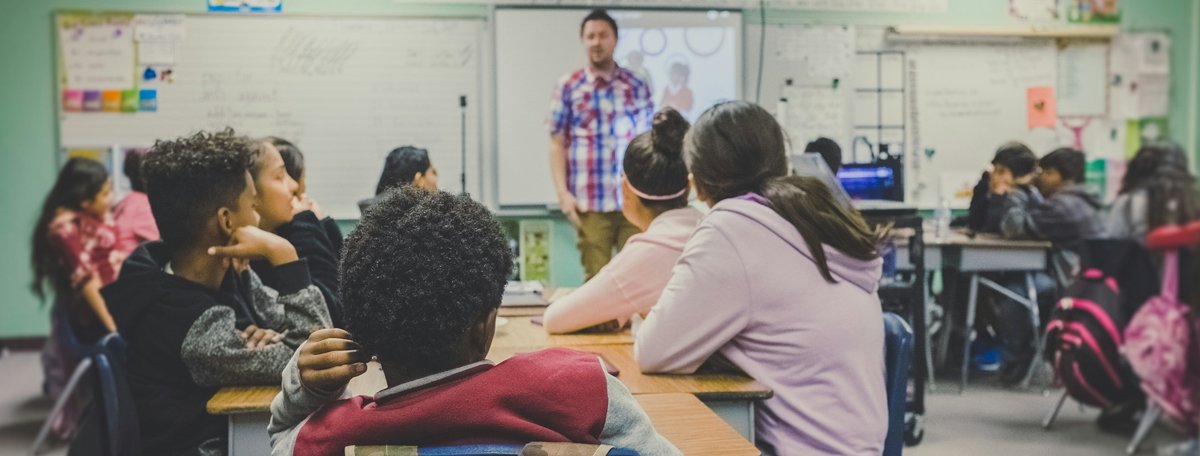
In school settings, this may appear as a student who thrives on routine, excels in specific subjects, or communicates more comfortably in structured or non-verbal ways. Psychological
understanding encourages us to interpret such behaviours with empathy rather than mislabelling them as problematic.
Despite growing awareness, misconceptions about autism persist. A common myth is that autistic individuals lack emotions or the ability to form relationships. In reality, many experience emotions intensely but may express them differently due to variations in social communication. Teenagers play a vital role in challenging these stereotypes by fostering inclusive peer environments and promoting respectful interactions.
Legal Awareness and Rights:
Beyond clinical understanding, autism is also addressed within legal frameworks that uphold the dignity, equality, and rights of individuals. In India, autism is recognized under the Rights of Persons with Disabilities Act, 2016, which adopts a rights-based approach rather than a purely medical one. The Rights of Persons with Disabilities Act, 2016 (RPwD Act) is a key Indian law that protects the rights of persons with disabilities, including autism. It replaced the 1995 Act and aligns with the United Nations Convention on the Rights of Persons with Disabilities (UNCRPD), promoting equality and inclusion. The Act expanded recognized disabilities from 7 to 21 and ensures access to education, employment, and necessary accommodations, shifting the focus from charity to empowerment. This legislation ensures that individuals with autism are entitled to:
Equality and non-discrimination: Protection against unfair treatment in education, employment, and public life.
Inclusive education: The right to study in mainstream educational institutions with necessary accommodations such as individualized teaching methods, assistive technologies, and supportive environments.
Reasonable accommodations: Adjustments in academic, social, and work settings to ensure equal participation such as flexible communication methods or sensory-friendly spaces.
Access to healthcare and rehabilitation services: Including early intervention, therapy, and psychological support.
Social security and protection: Safeguards against exploitation, abuse, and neglect.
From a psycho-legal perspective, this shift is significant. It reframes autism not as a limitation, but as a condition that requires societal adaptation. The responsibility moves from the
individual to the system such as schools, workplaces, and communities that must create inclusive environments that respect neurodiversity. For teenagers, understanding these rights is empowering. It encourages advocacy, promotes empathy, and reinforces the idea that inclusion is both a social responsibility and a legal obligation.
Autism recognized within legal frameworks protects the rights and dignity of individuals. In India, autism is included under the Rights of Persons with Disabilities Act, 2016, which mainly ensures:
Equal opportunities in education and employment
Protection from discrimination
Access to appropriate support services and accommodations
From a rights-based perspective, inclusion is not optional it is a legal and ethical responsibility. Schools and institutions are expected to provide reasonable accommodations, such as flexible learning methods or supportive environments, to ensure equitable participation. Inclusion is not about asking autistic individuals to “fit in,” but about reshaping environments so that everyone can thrive. Small, mindful actions like being patient, respecting boundaries, and offering support can create meaningful change. For teenagers, inclusion begins with everyday behaviour like group work, friendships, and communication that values diversity rather than conformity.
While awareness is the first step, meaningful change lies in acceptance and action. This World Autism Awareness Day, let us commit to:
Listening to autistic voices with respect
Understanding behaviour through a psychological lens and with empathy
Advocating for rights and inclusive practices
Autism is not something that needs to be “fixed,” but understood. From both psychological and legal perspectives, it represents a form of neurodiversity that deserves respect, protection, and inclusion. As young individuals navigating a diverse society, teenagers have the power to create environments that are not only aware but accepts the differences as strengths, and every individual is given the space to thrive.
“Beyond clinical labels, autism challenges both psychology and law to evolve—ensuring that difference is not marginalized, but protected and respected.”